Skip to content
Lurika
Lurika

Star Schema vs One Big Table: How to Model the Data Under Your Dashboards

Star Schema vs One Big Table: How to Model the Data Under Your Dashboards Last updated: August 2026 Most arguments about analytics stacks happen one layer too high. Teams debate the warehouse, the transformation tool, the BI vendor, and the…

  • Lurika
  • August 15, 2026

The Semantic Layer in 2026 (continued): Why Your Numbers Still Don’t Match, and When a Metrics Layer Actually Fixes It

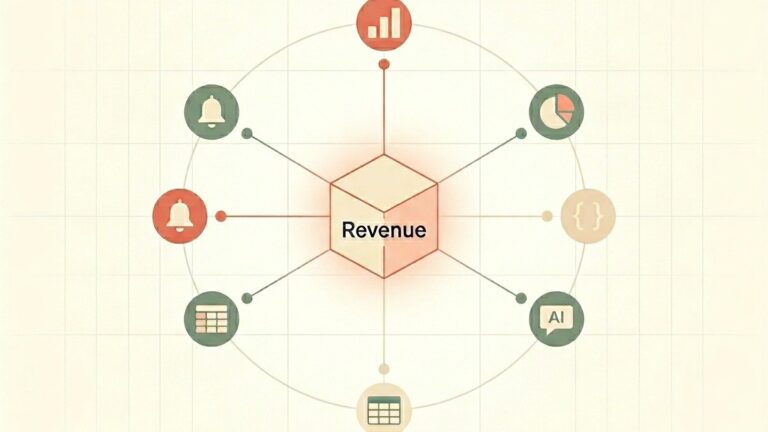
The Semantic Layer in 2026 (continued): Why Your Numbers Still Don’t Match, and When a Metrics Layer Actually Fixes It Last updated: August 2026 Three people walked into a Monday review with three different revenue numbers for the same quarter.…

  • Lurika
  • August 9, 2026

Change Data Capture in 2026: When Streaming Your Database to the Warehouse Is Worth It, and When Batch Still Wins

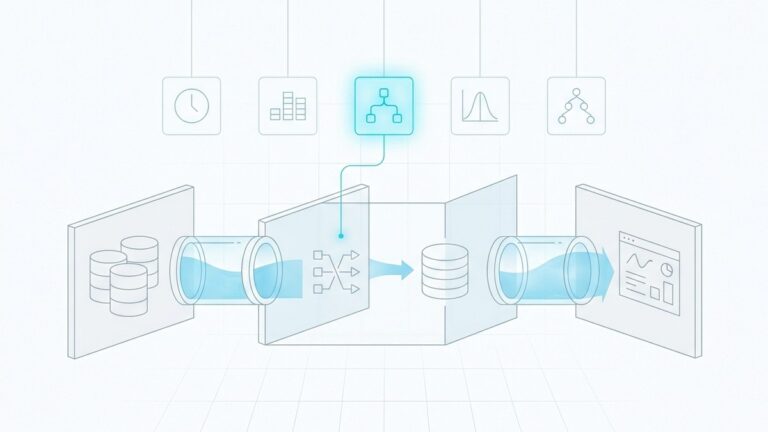
Change Data Capture in 2026: When Streaming Your Database to the Warehouse Is Worth It, and When Batch Still Wins Last updated: August 2026 In the demo it looked effortless. The team aimed a change data capture connector at their…

  • Anonymous
  • August 2, 2026

Data Observability in 2026: Why “Monitor Everything” Buries the Alert That Mattered

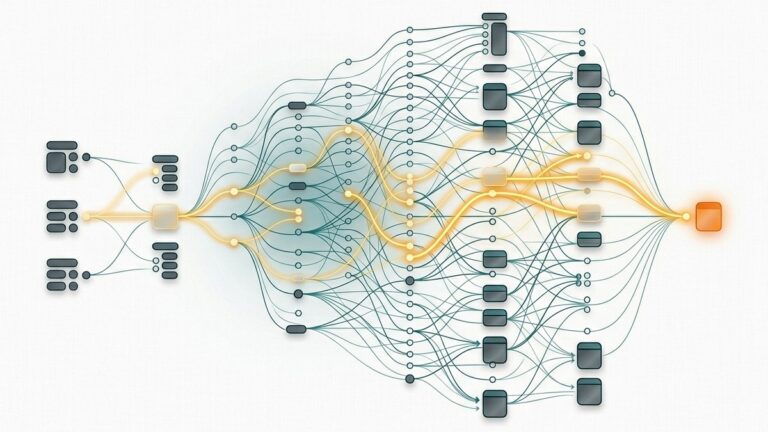
Data Observability in 2026: Why “Monitor Everything” Buries the Alert That Mattered Last updated: July 2026 The pipeline that mattered failed at 3 a.m. on a Tuesday, and nobody noticed for two days. It was not a dramatic failure. The…

  • Lurika
  • July 25, 2026

Text-to-SQL in Production: Why “Chat With Your Data” Breaks Quietly, and What Makes It Reliable

Text-to-SQL in Production: Why “Chat With Your Data” Breaks Quietly, and What Makes It Reliable Last updated: July 2026 The demo is always the same, and it always works. Someone types “show me our top ten customers by revenue last…

  • Lurika
  • July 17, 2026

Airflow vs Dagster vs Prefect: How to Choose a Data Orchestrator in 2026 Without Rebuilding Next Year

Airflow vs Dagster vs Prefect: How to Choose a Data Orchestrator in 2026 Without Rebuilding Next Year Last updated: July 2026 A data team is standing up a new platform. The warehouse is chosen, the ingestion tools are picked, and…

  • Lurika
  • July 11, 2026

Reverse ETL in 2026: When Operational Analytics Actually Earns Its Keep

Reverse ETL in 2026: When Operational Analytics Actually Earns Its Keep Last updated: July 2026 Most data teams solved the hard part of getting data into a warehouse years ago. Fivetran, Airbyte, and a dozen native connectors handle ingestion well…

  • Lurika
  • July 3, 2026

dbt vs SQLMesh: How to Choose a Transformation Tool Now That One Vendor Owns Both

dbt vs SQLMesh: How to Choose a Transformation Tool Now That One Vendor Owns Both Last updated: June 2026 An analytics engineer puts a slide in front of the team. It is the classic bake-off: dbt in one column, SQLMesh…

  • Lurika
  • June 26, 2026

Data Lineage: How Data Teams Trace Where a Number Came From and What Breaks When It Changes

Data Lineage: How Data Teams Trace Where a Number Came From and What Breaks When It Changes Last updated: June 2026 It is the Monday before a board meeting, and the CFO has one question about the revenue slide: where…

  • Lurika
  • June 21, 2026

Anomaly Detection for Data Quality: Why Your Monitoring Cries Wolf, and How to Build Alerts the Team Will Trust

Anomaly Detection for Data Quality: Why Your Monitoring Cries Wolf, and How to Build Alerts the Team Will Trust Last updated: June 2026 A data team turns on anomaly detection across their warehouse on a Monday. By Wednesday the dedicated…

  • Anonymous
  • June 7, 2026

Why Your Data Pipeline Breaks Silently: A Data Team’s Guide to Catching Failures Before Stakeholders Do

Why Your Data Pipeline Breaks Silently: A Data Team’s Guide to Catching Failures Before Stakeholders Do Last updated: May 2026 The pipeline ran. Every job turned green. The dbt run finished without an error, the orchestrator logged a clean success,…

  • Lurika
  • May 23, 2026

MCP for Data Analytics: What the Model Context Protocol Actually Changes (and What It Does Not)

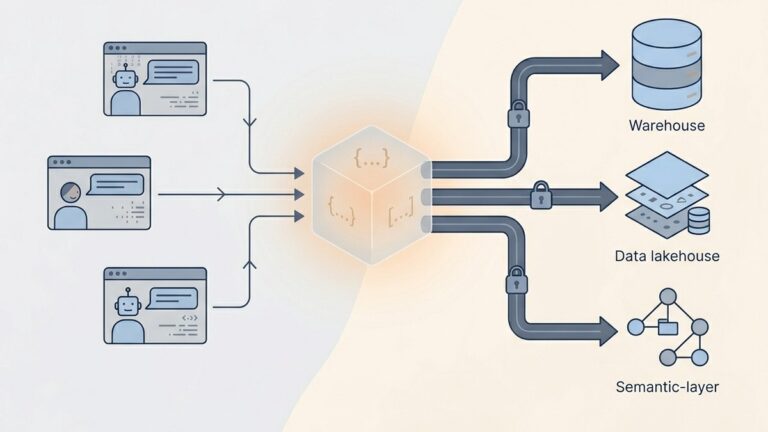
MCP for Data Analytics: What the Model Context Protocol Actually Changes (and What It Does Not) Last updated: May 2026 A backend engineer joins a data team’s standup with a question that is starting to come up everywhere. The company…

  • Lurika
  • May 16, 2026

Data Contracts: How Data Teams Are Stopping Schema Changes from Breaking Production

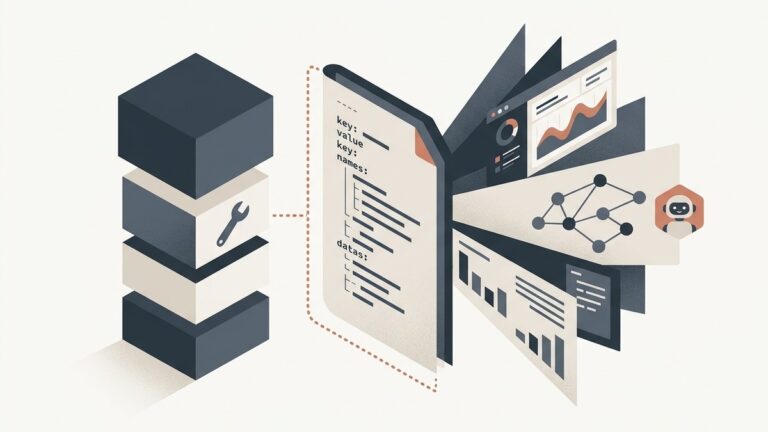
Data Contracts: How Data Teams Are Stopping Schema Changes from Breaking Production Last updated: May 2026 A backend engineer renames a column in a production database. They are following a perfectly reasonable refactor. The column has been there for three…

  • Lurika
  • May 8, 2026

Iceberg vs Delta Lake: How to Choose a Table Format Without Betting Wrong

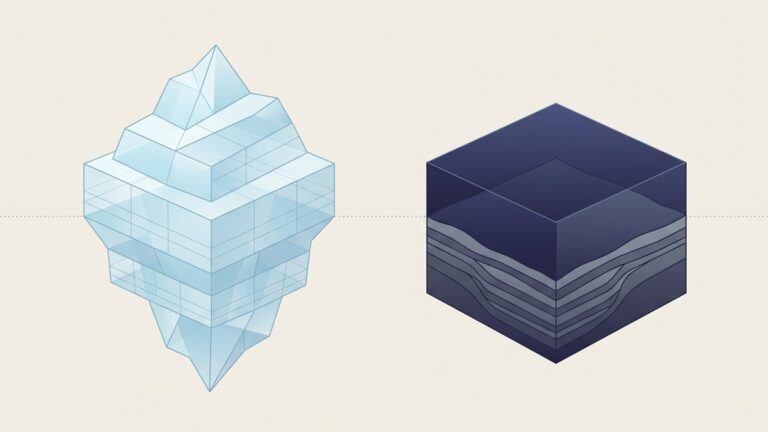
Iceberg vs Delta Lake: How to Choose a Table Format Without Betting Wrong Last updated: May 2026 A data engineering team is six months into building out a new lakehouse on S3. The ingestion pipelines are in place, the first…

  • Lurika
  • May 2, 2026

The Semantic Layer in 2026: Why Data Teams Are Rebuilding Their Stack Around Metric Definitions

The Semantic Layer in 2026: Why Data Teams Are Rebuilding Their Stack Around Metric Definitions Last updated: April 2026 The marketing director says revenue grew 14 percent last quarter. The CFO says it grew 11. The product team’s dashboard shows…

  • Lurika
  • April 29, 2026

What Data Teams Are Actually Monitoring (and Why Dashboards Keep Lying)

What Data Teams Are Actually Monitoring (and Why Dashboards Keep Lying) Last updated: April 2026 A finance analyst pulls a quarterly revenue report on Monday morning. The number looks fine. Two days later, the head of FP&A asks why the…

  • Lurika
  • April 27, 2026

Customer Segmentation for Small Teams: How to Group Your Customers Using RFM Analysis and Clustering

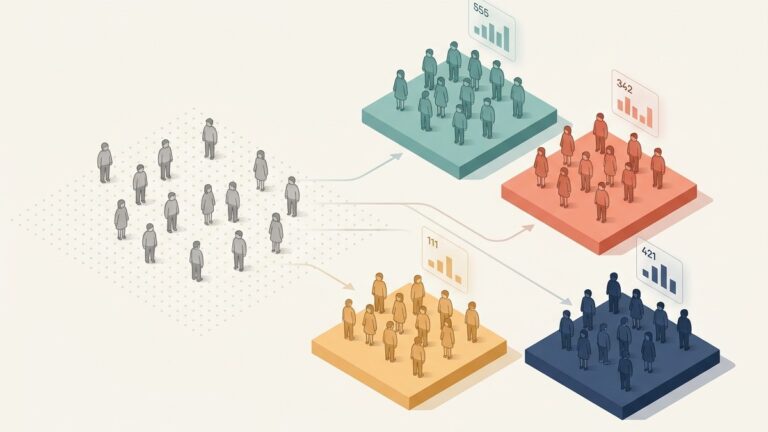
Customer Segmentation for Small Teams: How to Group Your Customers Using RFM Analysis and Clustering Last updated: April 2026 Most small businesses treat their customer list as one big audience. The same email goes to the person who bought yesterday…

  • Lurika
  • April 22, 2026

Marketing Attribution: How to Figure Out What Is Actually Working

Marketing Attribution: How to Figure Out What Is Actually Working Last updated: April 2026 You are running ads on Google and Meta. You send a weekly newsletter. You post on Instagram and LinkedIn. You rank for a handful of organic…

  • Lurika
  • April 15, 2026

Cohort Analysis for Non-Analysts: How to Track Customer Lifetime Value Without a Data Science Degree

Cohort Analysis for Non-Analysts: How to Track Customer Lifetime Value Without a Data Science Degree Last updated: April 2026 You know your average order value. You probably know your customer acquisition cost. But if someone asks how much a customer…

  • Lurika
  • April 13, 2026

Data Governance on a Budget: What Small Teams Actually Need (and What They Can Skip)

Data Governance on a Budget: What Small Teams Actually Need (and What They Can Skip) Last updated: April 2026 Nobody starts a small business dreaming about data governance. The phrase itself sounds like something that belongs in a Fortune 500…

  • Lurika
  • April 11, 2026

Copyright © 2026 - Lurika. All Rights Reserved.

Manage Consent
To provide the best experiences, we use technologies like cookies to store and/or access device information. Consenting to these technologies will allow us to process data such as browsing behavior or unique IDs on this site. Not consenting or withdrawing consent, may adversely affect certain features and functions.
Functional Always active
The technical storage or access is strictly necessary for the legitimate purpose of enabling the use of a specific service explicitly requested by the subscriber or user, or for the sole purpose of carrying out the transmission of a communication over an electronic communications network.
Preferences
The technical storage or access is necessary for the legitimate purpose of storing preferences that are not requested by the subscriber or user.
Statistics
The technical storage or access that is used exclusively for statistical purposes. The technical storage or access that is used exclusively for anonymous statistical purposes. Without a subpoena, voluntary compliance on the part of your Internet Service Provider, or additional records from a third party, information stored or retrieved for this purpose alone cannot usually be used to identify you.
Marketing
The technical storage or access is required to create user profiles to send advertising, or to track the user on a website or across several websites for similar marketing purposes.
  • Manage options
  • Manage services
  • Manage {vendor_count} vendors
  • Read more about these purposes
View preferences
  • {title}
  • {title}
  • {title}